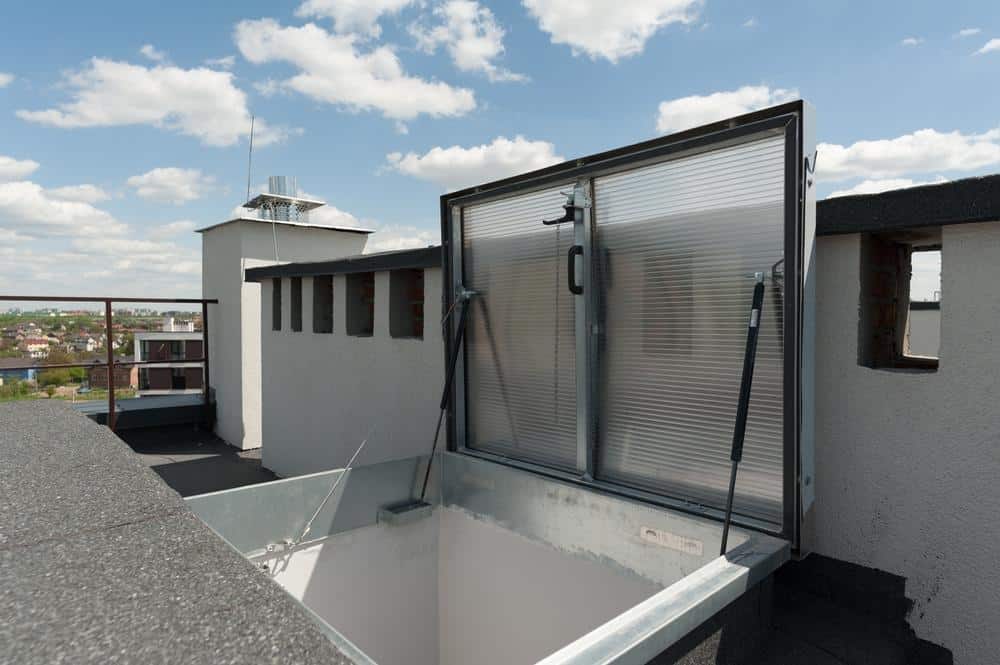

A stiff or noisy hatch hinge can seem like a minor issue, but it can make opening and closing the hatch harder and place unnecessary strain on other components. Regular inspection, cleaning, lubrication, and timely repairs can keep the mechanism moving smoothly and prevent avoidable damage.
Given below are the essential maintenance steps that can help keep your roof hatch hinges operating safely and smoothly.
Inspect hinge condition
Start each check with a close look at the hinge assembly. Check metal surfaces, pivot points, screws, bolts, and mounting plates, watching rust, cracks, bends, or wear. Open and close the hatch while watching hinge movement. Grinding, stiffness, scraping, or uneven motion signals a problem requiring prompt action. Inspect nearby seals since moisture can speed corrosion.
Clean away dirt and debris
Dust and grit settle around hinge joints and interfere with movement. Wipe surfaces with a cloth, then use a soft brush around tight spaces. Avoid harsh cleaners that may damage finishes or seals. A clean hinge gives lubricant a better surface and reveals defects.
Lubricate moving points
Apply suitable hinge lubricant to pivot points as directed. Use a small amount and move the hatch several times so lubricant spreads. Wipe excess material because residue attracts dust. Choose a lubricant compatible with the hinge material.
Check screws and fasteners
Loose screws or bolts allow hinge plates to shift during operation. Examine each fastener and tighten loose hardware. Avoid excessive force, which may damage threads or distort the mounting surface. Replace damaged hardware with suitable matching components. Secure connections keep hinges aligned and prevent uneven pressure during repeated opening and closing cycles.
Watch rust and corrosion
Metal hinges require regular checks when moisture reaches exposed surfaces. Look closely at corners, screw heads, pivot areas, and hidden edges where moisture may remain. Remove light surface rust using an appropriate method, then protect exposed metal with a compatible coating. Severe corrosion, deep pitting, or weakened metal requires professional assessment.
Test movement after maintenance
Finish each service session with several opening and closing cycles. Listen to unusual sounds and watch resistance, shifting, or uneven movement. Confirm that the hatch sits correctly and that each hinge remains firmly attached securely. Record inspection dates and issues to track recurring problems. A simple routine supports smooth, dependable, reliable performance year round.